Finding Home Through Art: Alicia Hanson and the Power of Being Seen
This June, the upcoming Latino Arts Festival will once again transform Park City into a vibrant celebration of Latin American art, music, dance, food, and culture. Hosted by The Arts Council of Park City & Summit County, the festival continues to create space for artists and audiences to connect through stories of identity, heritage, resilience, and belonging. Among this year’s featured artists is Mexican-born oil painter Alicia Hanson, whose deeply personal work explores the experience of living between cultures.
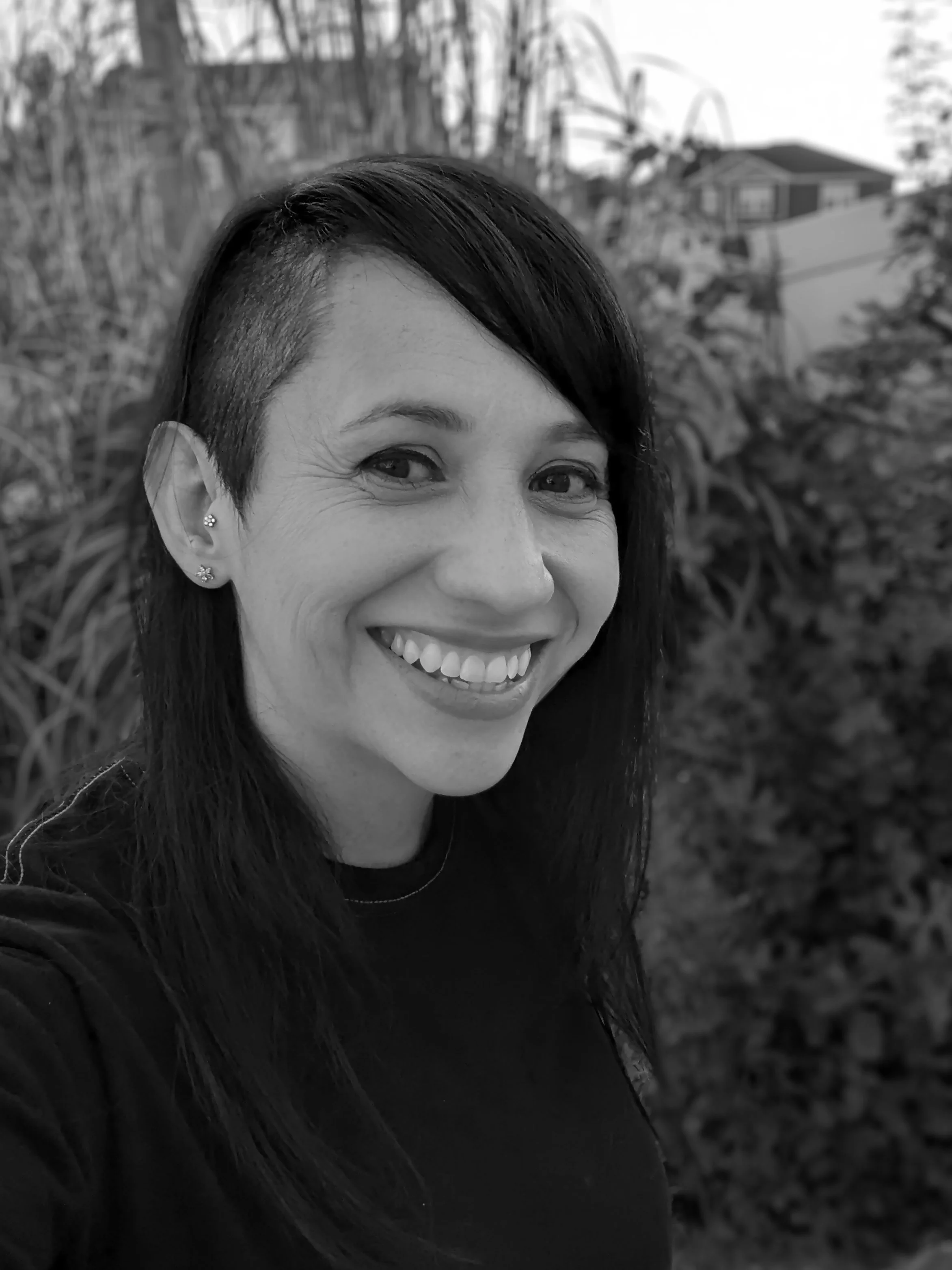
Artist: Alicia Hanson
Born in Mexico City and raised in Utah after immigrating with her family as a child, Hanson’s artistic journey mirrors the layered identity she now paints so powerfully onto canvas. “Art has always been a constant in my life,” she says. “No matter what part of my life I was in, I always found my way back to it.”
Hanson works primarily in oils using an alla prima wet-into-wet technique, completing each painting in a single session with a limited palette. The immediacy of the process reflects the honesty of her work. “There’s something about being limited to just a few colors with wet paint that makes the process both challenging and freeing at the same time,” she explains. “No overworking, no hiding.”
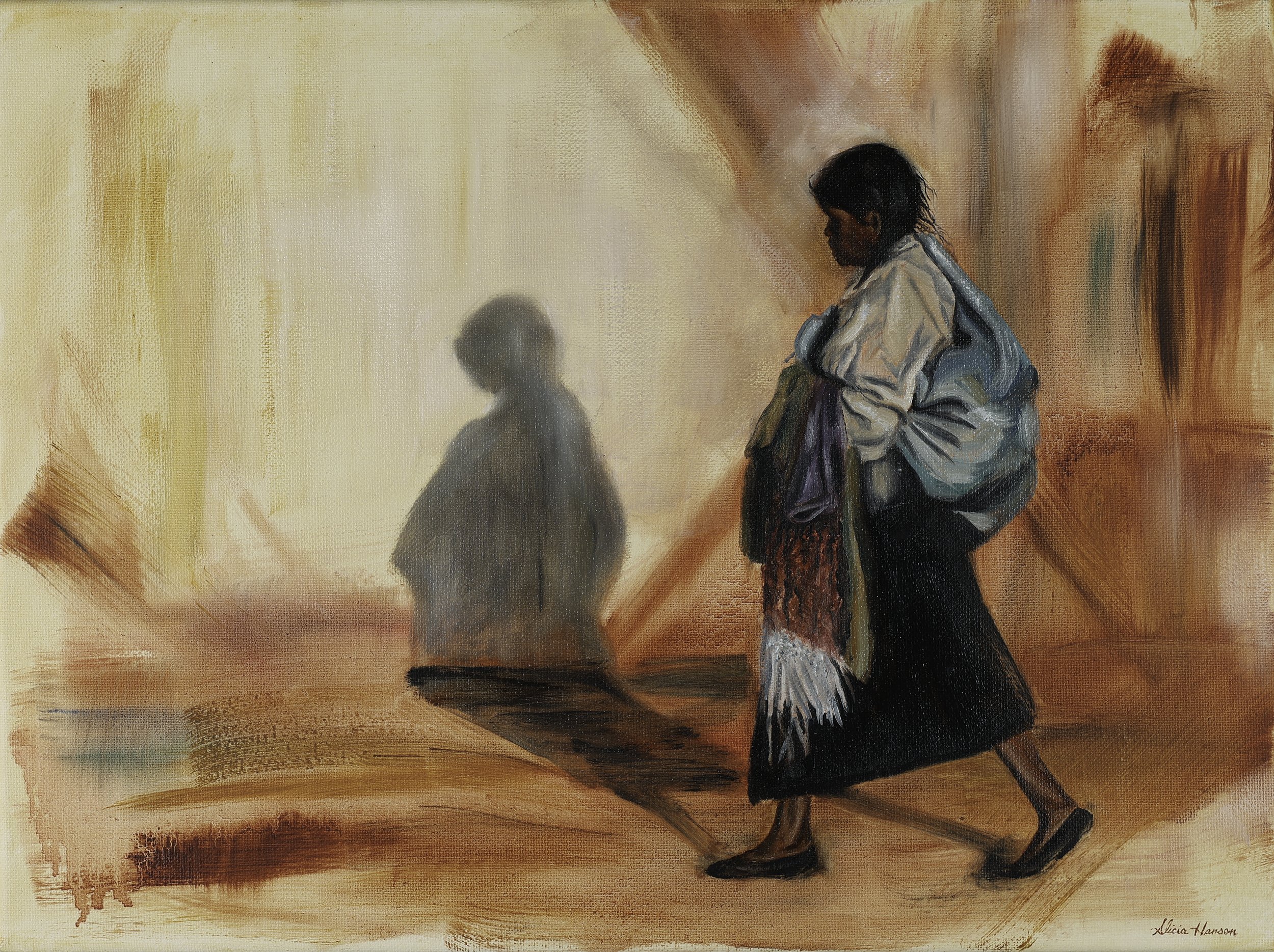
El Hilo Que No Se Rompe by Alicia Hanson
That sense of vulnerability and truth sits at the center of her current series, Ni de aquí ni de allá (Not From Here, Not From There). Through abstraction and figurative imagery, Hanson examines the emotional complexity of existing between two worlds as both Mexican and Utahn, immigrant and local, insider and outsider.
“Throughout the series, figures and animals emerge from abstraction into definition, never completely one or the other,” Hanson says. “That tension isn’t just a stylistic choice, it’s the duality I live in.”
One of the most personal works in the series is El Hilo Que No Se Rompe (The Thread That Doesn’t Break), which depicts a Hispanic woman carrying both laundry and a child wrapped to her back in a sarape. Hanson describes the piece as a reflection of quiet resilience and cultural connection.
“She doesn’t stop. She doesn’t ask to be seen. She just keeps going,” Hanson says. “But the title carries a double meaning for me. It’s also about the thread that brings me back to my roots, the connection to where I come from that no amount of distance or time can break.”
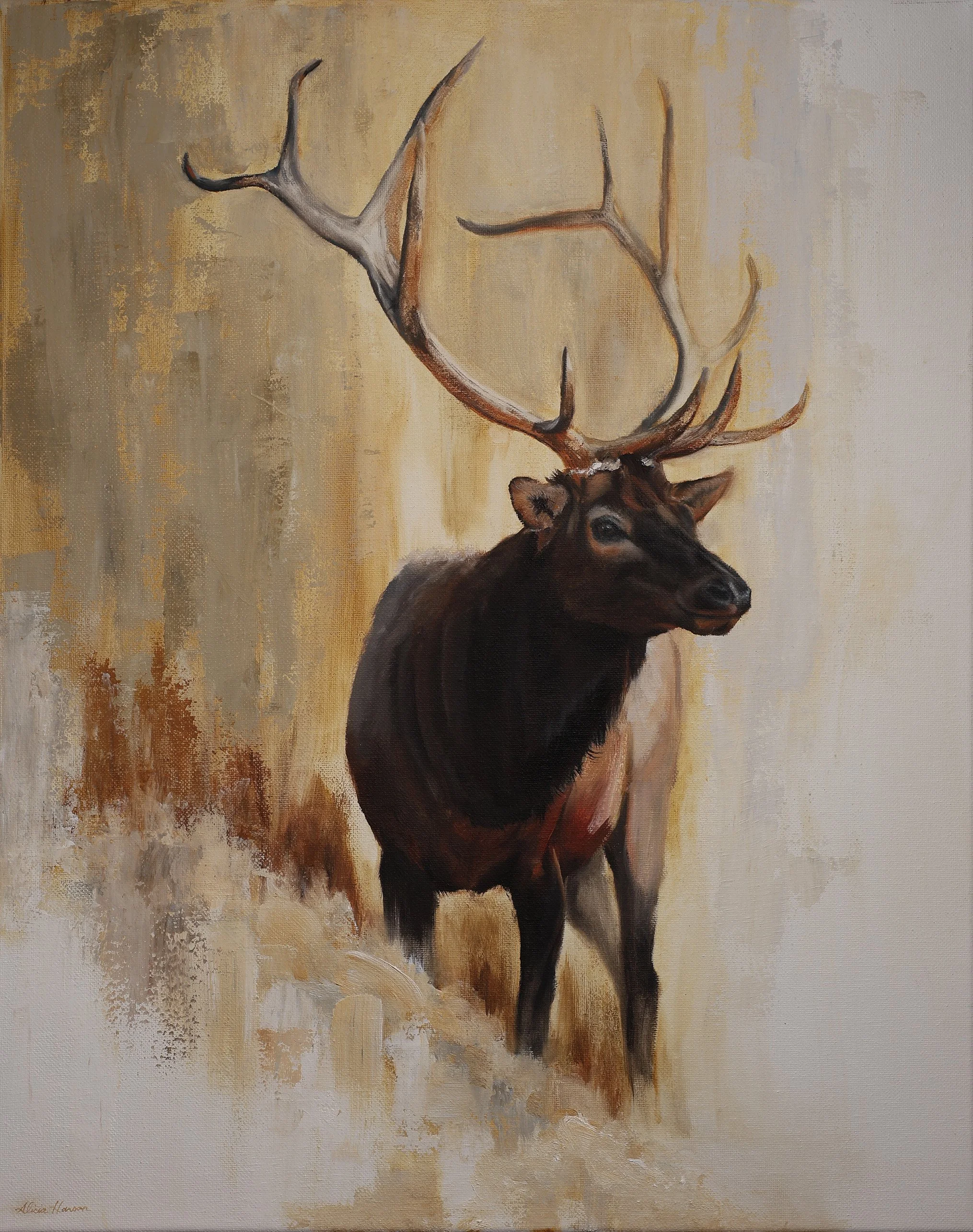
Morning Ridge by Alicia Hanson
It’s this kind of storytelling that makes the Latino Arts Festival so important, not only as an arts event, but as a cultural gathering place where artists and audiences can recognize themselves in one another. For Hanson, participating in the festival represents more than simply exhibiting her work.
“I’m excited to be surrounded by my community,” she says. “It might sound like a small thing, but I’m looking forward to people saying my name correctly, Alicia, not Alisha. That small mispronunciation is a constant reminder, a quiet signal that I’m still being seen through someone else’s lens.”
She continues, “I’m excited to hear music that feels like home, to be in a space that feels accepting and warm and familiar in a way that’s hard to describe unless you’ve spent your life searching for it.”
That feeling of recognition and belonging is exactly what the festival continues to cultivate in Park City. As the Latino Arts Festival grows each year, it not only amplifies the work of Latino artists and performers but also strengthens cultural understanding and community connections throughout Summit County and beyond.
For Hanson, the opportunity to share Ni de aquí ni de allá with audiences who immediately understand its emotional language is especially meaningful.
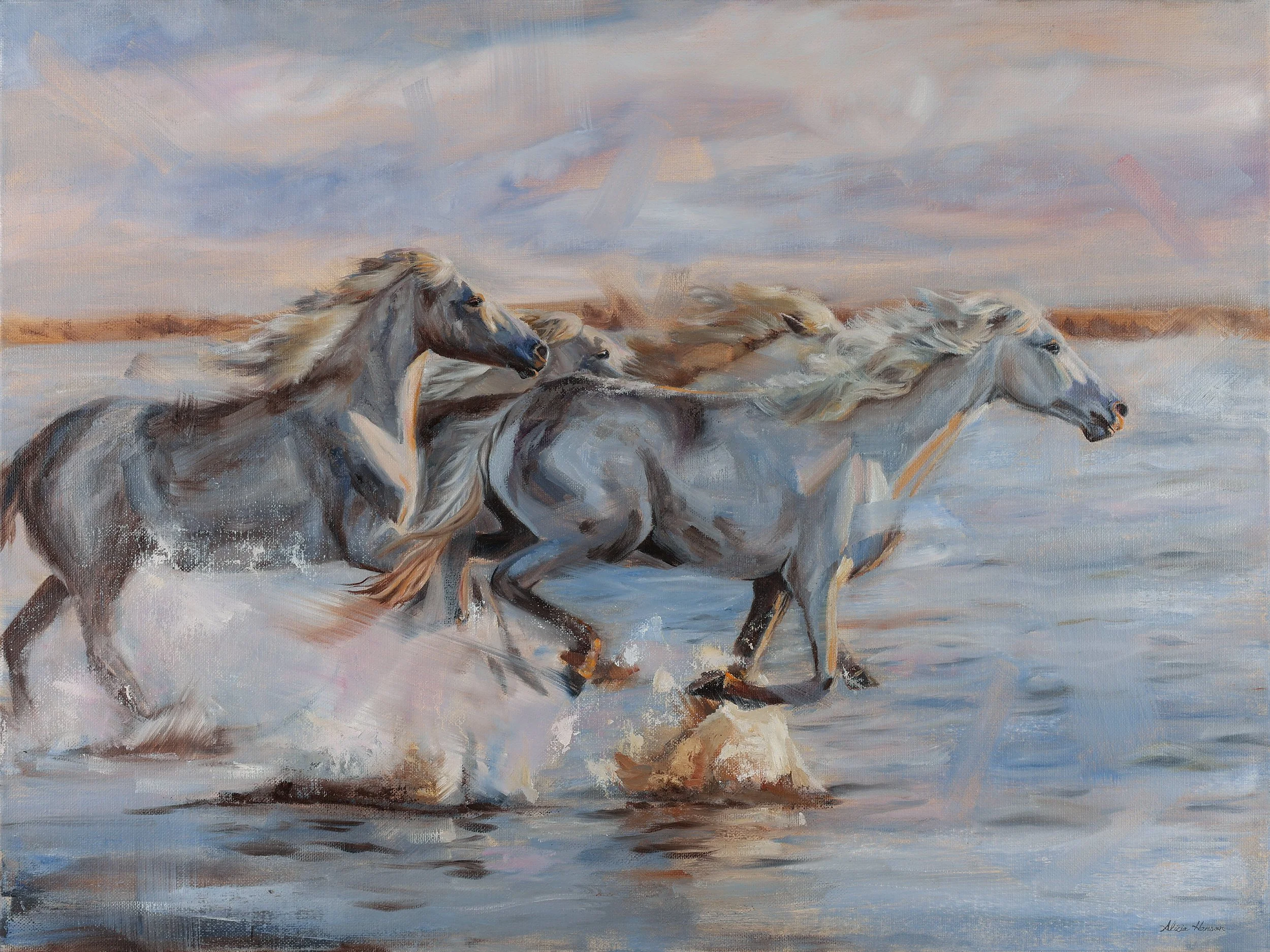
Satin Rush by Alicia Hanson
“Most of all, I’m excited to share my work with the audience it was made for,” she says. “People who will look at Ni de aquí ni de allá and understand the duality immediately, not because I explained it, but because they live it too. That recognition, that moment of being truly seen, that’s what this series has been reaching for.”
Like many artists, Hanson finds inspiration everywhere, in fleeting moments of light, overlooked details, and the quiet endurance of people and animals. “At the core of it all, I’m drawn to hidden beauty,” she says. “The resilience and quiet strength of animals and people that the world tends to overlook. That’s what I’m always reaching for, the thing that’s there whether or not anyone stops to notice it.”
This June, the Latino Arts Festival invites the community to stop, notice, and celebrate those stories together through art, culture, and connection.
