
Fall Art Adventure Guide: Things to Do in Park City, Utah in the Fall
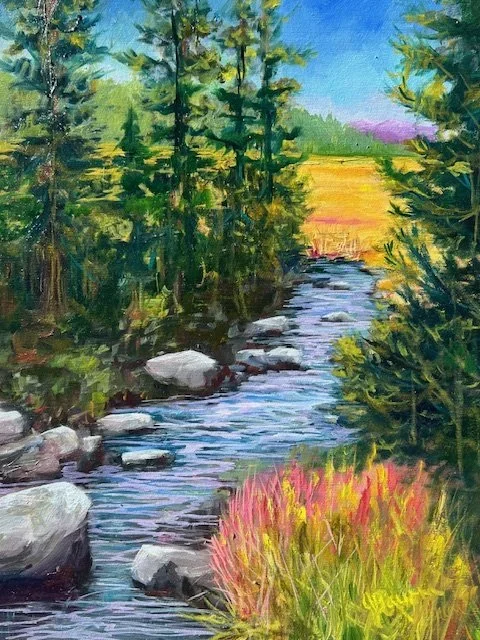
Background painting by: Jeanine Baum
Fall in Park City & Summit County has its own kind of magic. Crisp mountain days invite you outside, while the changing season brings new ways to experience art, food, film, and the people who make this place so special.
From guided mountain adventures with Inspired Summit Adventures and the landscape photography of Weston Shirey to a meal at the historic Oakley Diner, a visit to William J. Kranstover Gallery, or the live art-making energy of Monster Drawing Rally, there’s always another experience to discover.
Add in fresh donuts and coffee from CHOMP, cocktails and conversation at The Parlor, and the inaugural Park City Film Festival, and you’ve got plenty of reasons to get out and explore this fall.
Inspired Summit Adventures
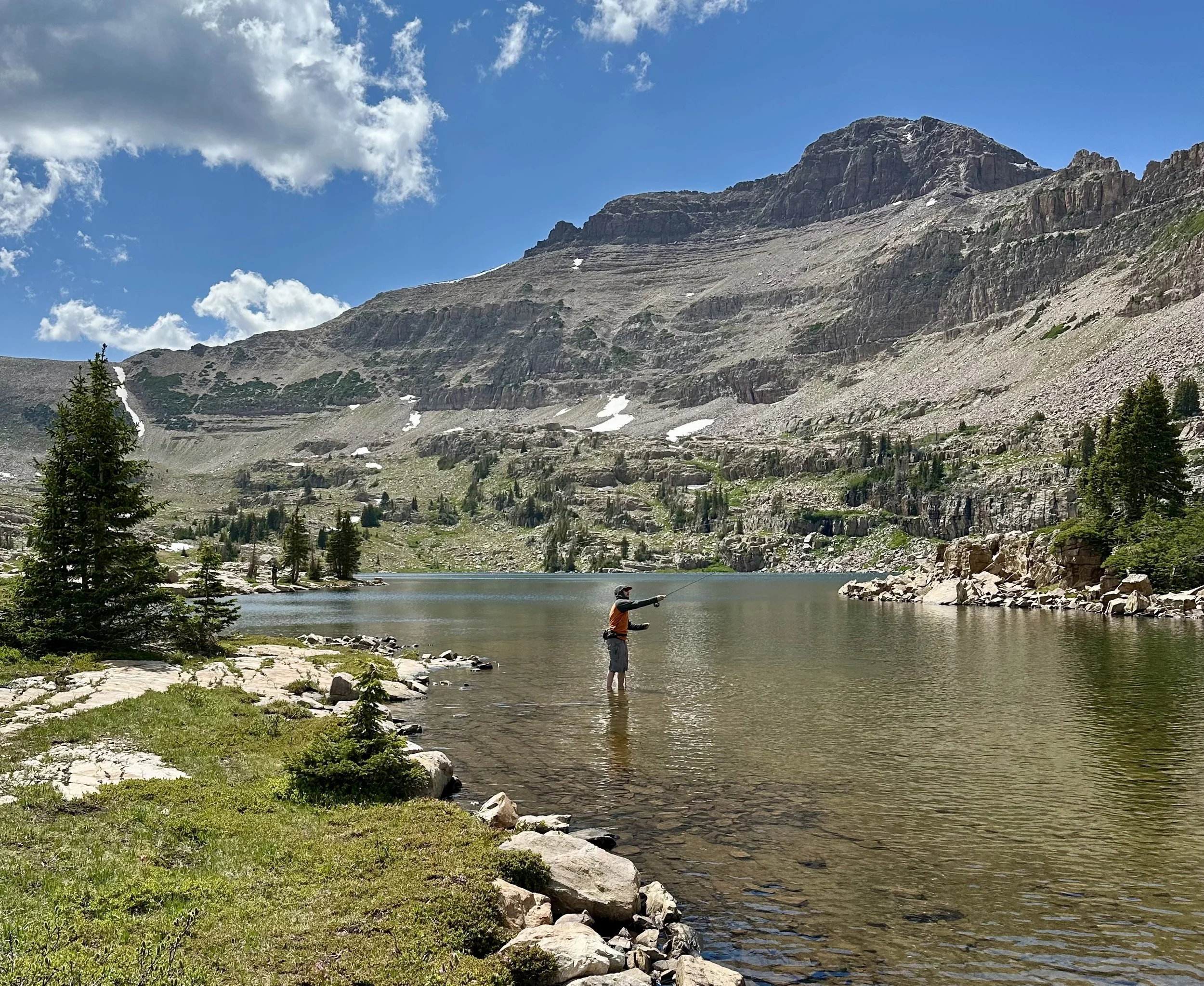
Inspired Summit Adventures offers personalized mountain guide services in Utah. Renowned for crafting custom experiences that focus on creating the opportunity for clients to meet their goals.
This expert backcountry guiding operation delivers personalized attention, deep expertise, and a passion for leading extraordinary journeys that become unforgettable moments for their clients.
Weston Shirey, is a landscape and outdoor adventure photographer and guide for Inspired Summit Adventures.
His collections reflect not only his experiences and a dedication to authenticity in portraying the beauty of the world.
Oakley Diner
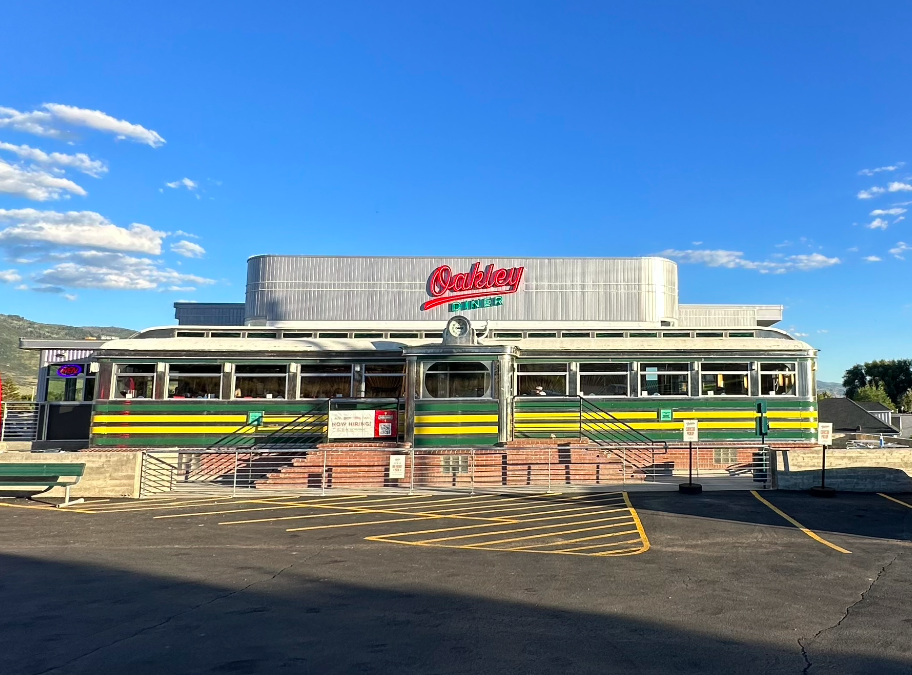
The Oakley Diner is an iconic restaurant that sits in the heart of Oakley, Utah. The restaurant is known for its classic atmosphere and dedication to serving delicious, traditional diner food.
The Oakley Diner is officially listed on the National Register of Historic Places.
With a storied history and exciting future, eating at the Oakley Diner is always a kick.
William J. Kranstover Gallery
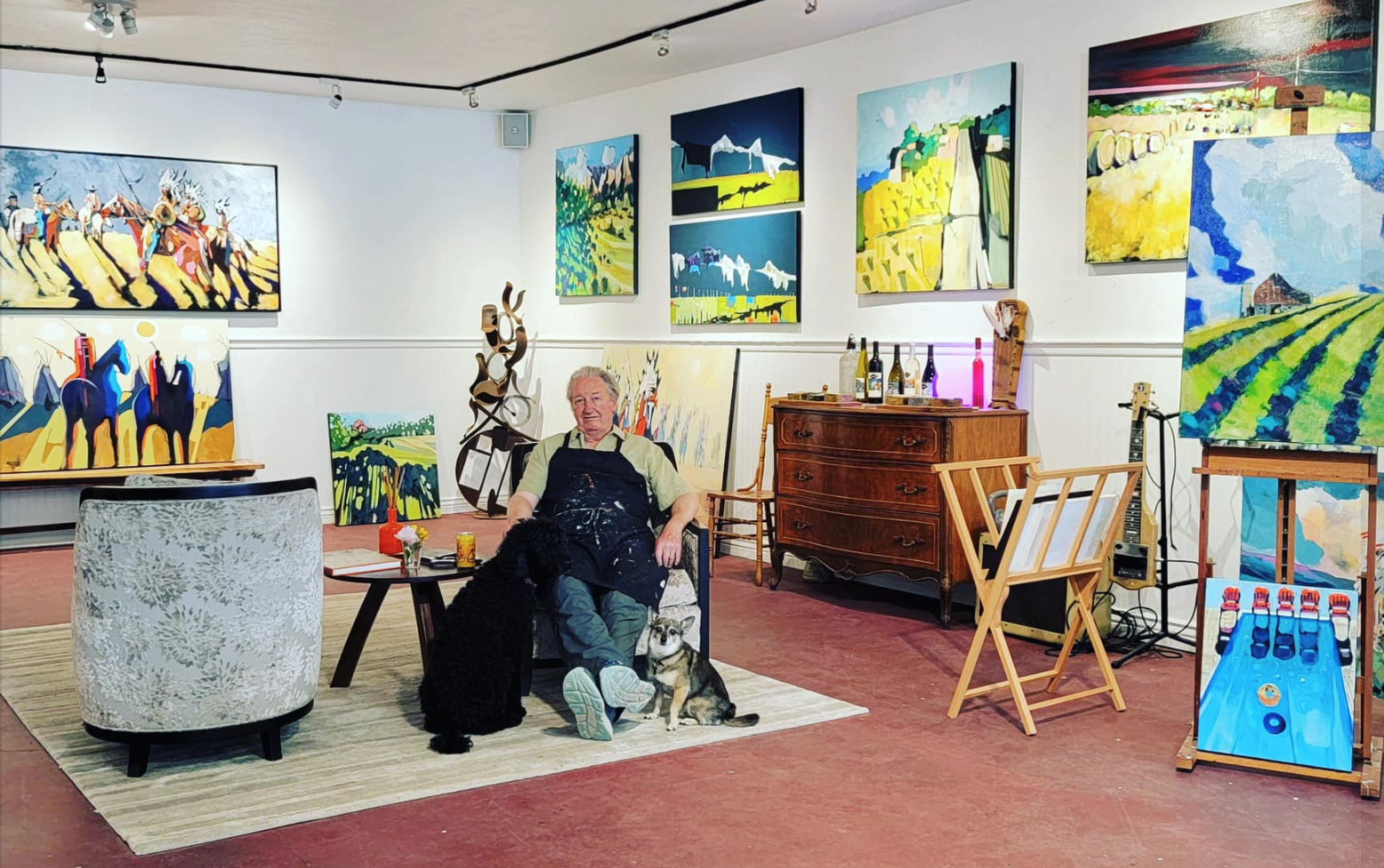
At the William J. Kranstover Gallery, the “Art Spirit” has been known to William Kranstover (Kranny) all of his life. He began painting at a very early age and continued throughout college at the University of Wisconsin. He has taught art in Australia and Utah.
What sets his works apart from many others is the personal investment in his processes and how they pertain to the art he creates within his community, of which he is a fervent advocate. He has received the prestigious meritorious service award for art in his community.
Monster Drawing Rally
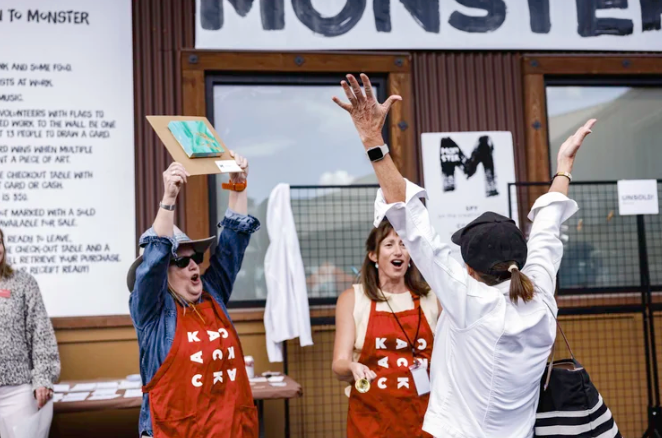
As one of Summit County’s premier art-centric occasions, Monster Drawing Rally notably provides attendees with a bird’s-eye view of the artists at work.
During the Rally, artists are challenged to create 2D artwork in 50-minute shifts. Finished pieces will be made immediately available for purchase at just $50 each. The luck of the draw decides the winner of each piece when there is more than one bidder. There are three rounds of art making that all the artists participate in.
Monster Drawing Rally is Summit County's most raucous and unique live art-making event.
CHOMP Doughnuts and Coffee
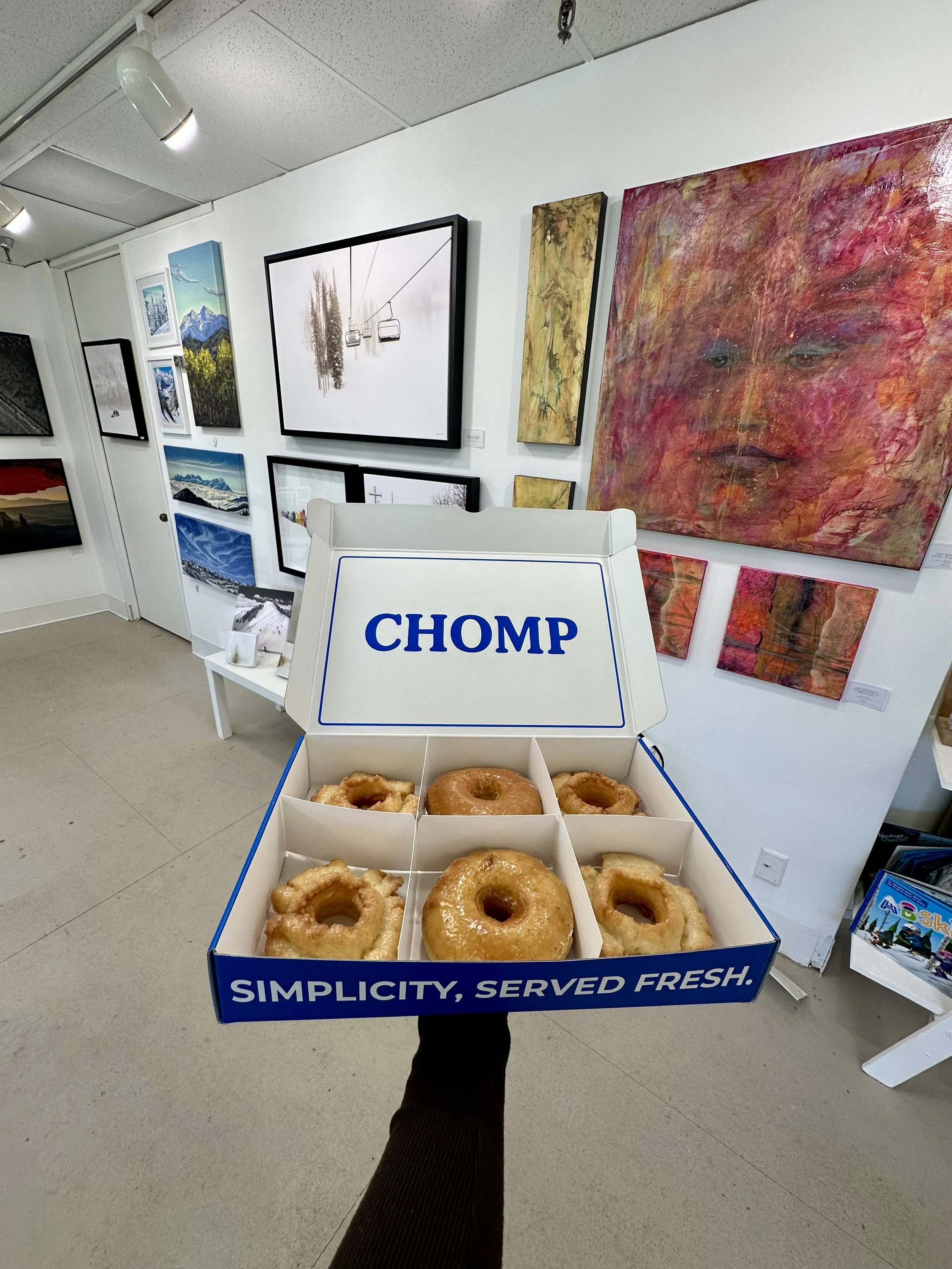
CHOMP is Park City’s new donut & coffee obsession. CHOMP provides fresh donuts that are crafted in small batches throughout the day to ensure they’re always served at peak quality.
The Parlor
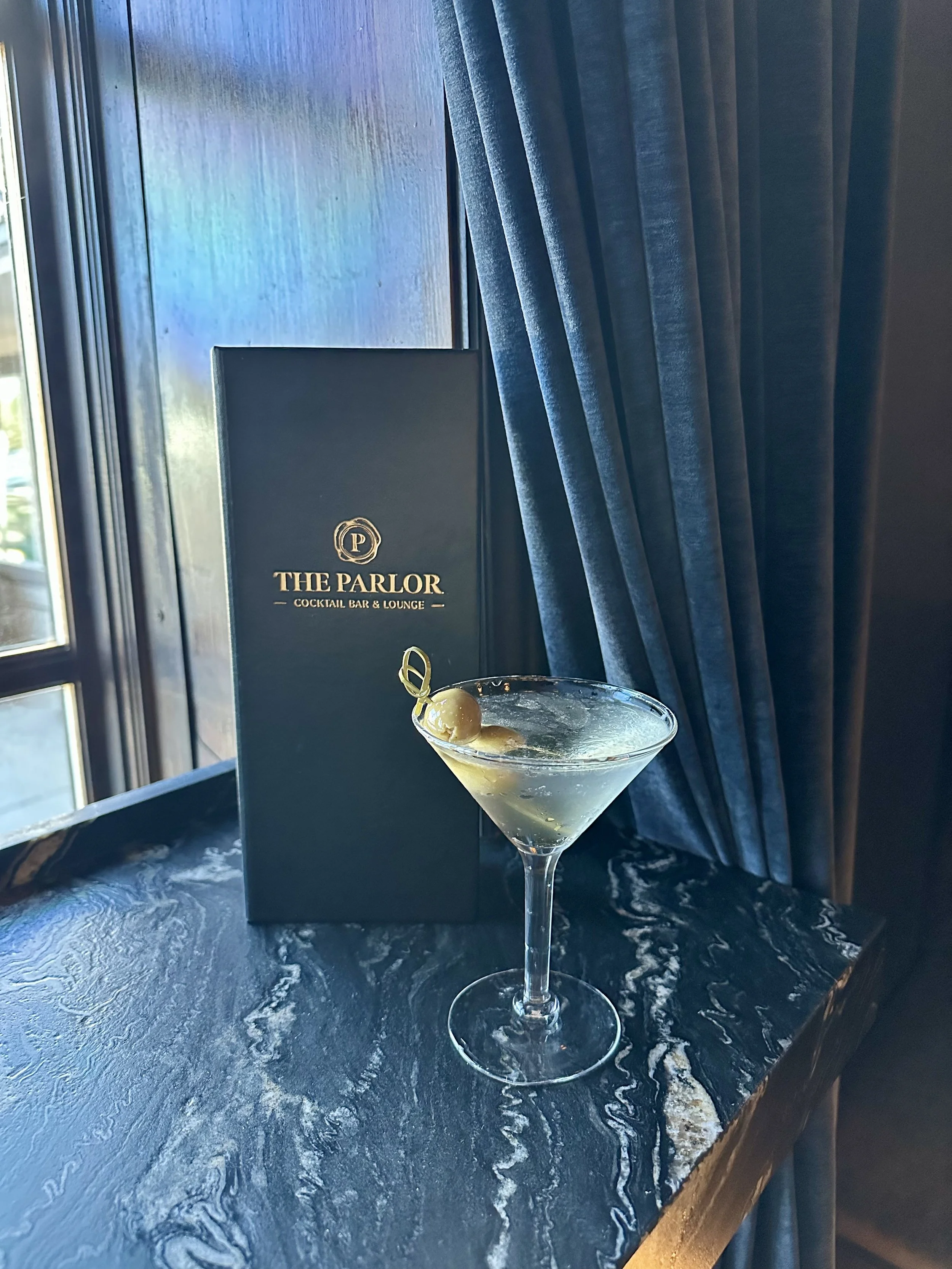
The Parlor is a neighborhood craft cocktail bar located in Prospector Square. The Parlor has the comfort of a lounge and the atmospheric comfort of a neighborhood pub.
You’ll go in for the cocktails and stay for the warmth, comfort, and connection with the other guests.
Park City Film Festival
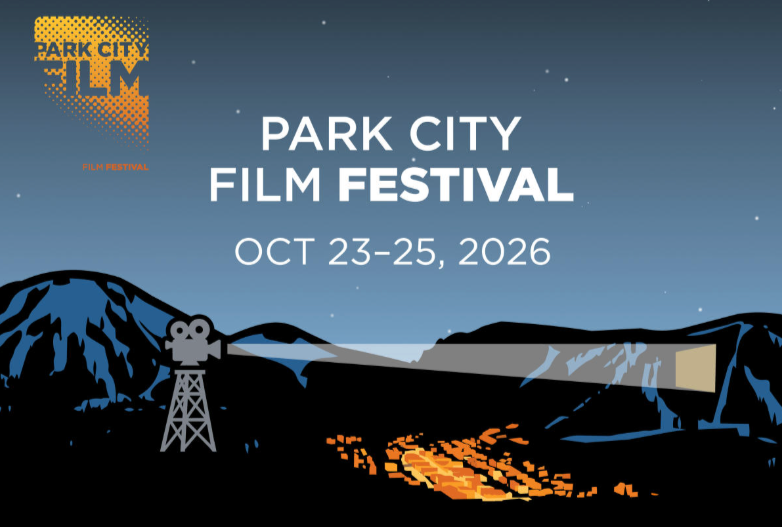
The inaugural Park City Film Festival features a curated selection of exceptional films from the current film festival circuit, along with post-screening Q&As and panel discussions.
The festival celebrates storytelling through independent films, sparking creativity and connection.
Visit Park City When Leaves are Turning
What will your fall activities look like in Park City and Summit County?
Whatever calls to you, there are countless things to do in Park City and Summit County this fall, you just have to decide which to try first. If you’re planning an unforgettable trip, check out Park City Area Lodging for a place to call home while you’re here.
No matter what you choose from our Fall Art Adventure Guide, fall in the mountains promises memories you won’t forget.